Most repair lists read like they were written for anywhere. This one is not. Woodstock sits on Georgia clay, gets humid summers and dry winters, and a lot of the housing stock is now old enough that the same handful of jobs come up on nearly every visit.
Here are the ten we see most, what actually causes them, and roughly how long each takes.
1. Doors that stick, drag or will not latch
The most common call we get, and it is seasonal. Humidity swells the door and the frame in summer; both shrink again in winter. If a door catches in July and is fine in January, nothing is broken — it needs planing or a hinge adjustment, not replacing.
If it sticks all year, the frame has usually moved, which is a different job. Typical time: 20 minutes to an hour per door.
2. Drywall cracks above doors and windows
Clay soil holds water and swells, then dries and shrinks. Houses on it move slightly with the seasons, and the corners of door and window openings are where that movement shows first — usually a diagonal crack running up from the corner.
Hairline cracks that reappear in the same place each year are cosmetic. A crack you can fit a coin into, or one that keeps widening, is worth having looked at properly before it gets filled. Typical time: half a day for several.
3. Rotten trim boards and fascia

South and west-facing trim takes the worst of it here. Paint fails, water gets behind the board, and the rot starts at the joints and the cut ends rather than in the middle.
Caught early this is a board swap. Left long enough the water reaches the framing behind it, and then it is no longer a trim job. Press a screwdriver into the board near a joint — if it goes in, it is past painting. Typical time: half a day to a day.
4. Loose handrails, banisters and stair spindles

These loosen gradually and people stop noticing. The fix depends on what the rail is fixed into — if the original fixing pulled out of drywall rather than a stud, it needs relocating or proper blocking behind, not a longer screw.
Worth doing sooner than later. Typical time: under an hour.
5. Caulking failing around tubs, sinks and windows
Caulk has a life. When it shrinks away from the edge, water goes behind it, and around a tub or shower that means it is reaching the wall.
Recaulking properly means removing all of the old material, not laying a new bead over it. A new bead on top of failed caulk looks fine for about four months. Typical time: an hour or two per room.
6. Cabinet doors and drawers that have dropped
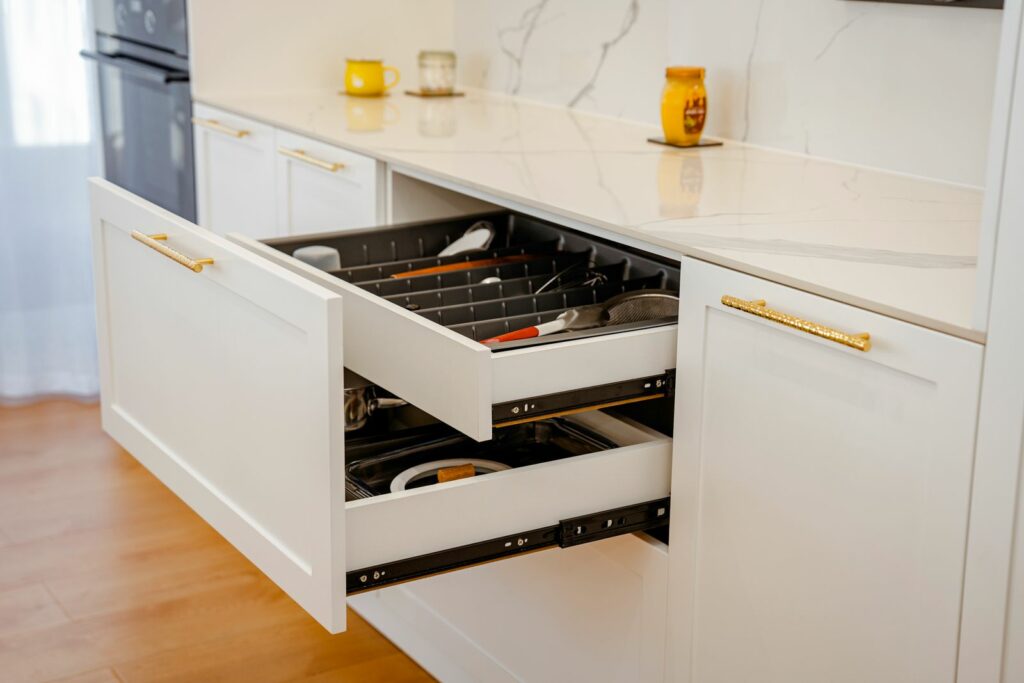
Kitchen cabinet doors sag over years of use, then stop lining up and start catching. Most of the time the hinges are adjustable and it is a screwdriver job across the whole kitchen.
Where the hinge has torn out of the cabinet side, the hole needs filling and redrilling. Still quick, but it is a repair rather than an adjustment. Typical time: an hour for a full kitchen.
7. Water-stained ceiling patches
A brown ring on a ceiling means water arrived at some point. The important question is whether it is still arriving.
Painting over an active leak wastes the work and hides the evidence. Find the source first — a roof penetration, a bathroom above, a condensation line — then patch. Typical time: a few hours, once the source is dealt with.
8. Shelving and wall fixings pulling out
Almost always because the original fixing went into drywall alone. Drywall holds very little weight on its own, and anchors rated for a few pounds end up holding a loaded shelf.
The fix is finding the studs, or using the right anchor for the load. Typical time: under an hour.
9. Fence panels, gates and latches
Gates drop because the post has moved, not because the gate is broken. Re-hanging a gate on a post that is still shifting means doing it again next year.
Check the post first: if you can rock it by hand, that is the job. Typical time: an hour for a latch, half a day if a post needs resetting.
10. Exterior door hardware and weatherstripping
Worn weatherstripping is one of the cheapest things to fix and one of the most noticeable — drafts, insects, and higher cooling bills in summer.
Locks and handles that have become stiff are usually alignment rather than the lock failing. Typical time: under an hour.
What a handyman should not be doing
Some of this list overlaps with work that needs a licensed trade, and it is worth being clear about which.
Anything involving electrical or gas needs a licensed specialist — not because it is difficult, but because doing it without one is how houses catch fire and how insurance claims get refused. The same goes for plumbing beyond simple fixture work.
A handyman who tells you a job is outside what they do is giving you useful information, not losing your business. We would rather tell you who to call.
The practical point about small jobs
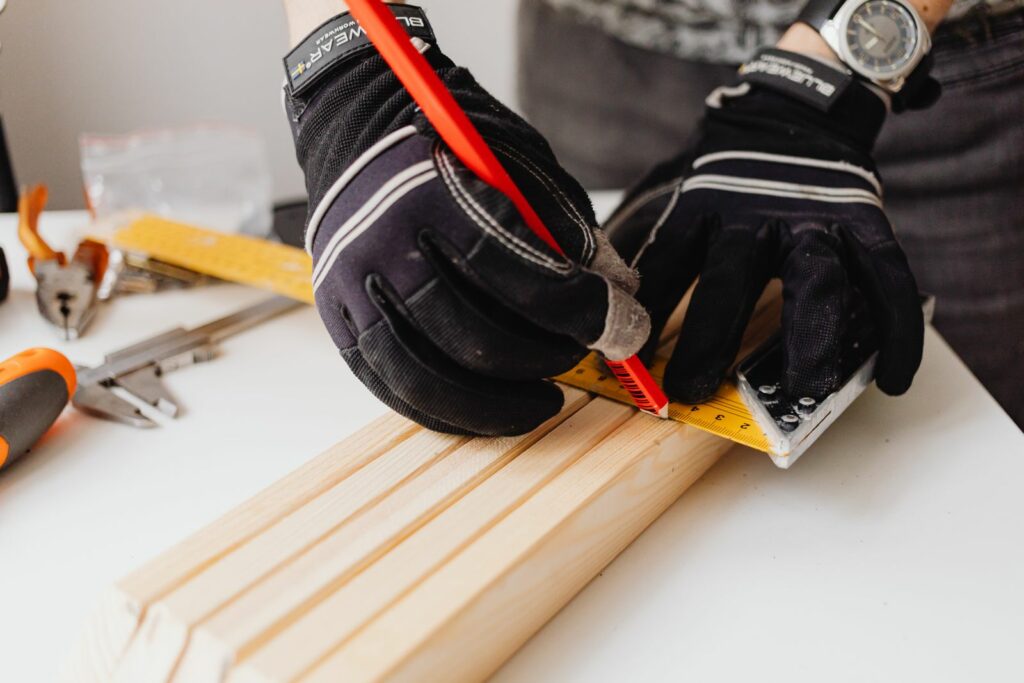
None of these repairs is urgent on its own, which is exactly why they pile up. Each one is ten minutes of annoyance and not worth a phone call by itself, so it waits — and the list gets longer.
The efficient way to deal with it is to stop treating them as separate jobs. Write everything down for a month, then have it all done in one visit.
Getting it looked at
If your list has been growing, send it over with a few photographs — the more we can see, the closer the estimate. We will tell you whether it is a half day or a full day before we come, and if something turns out to need more than expected, you will hear about it before we do it.
More detail on what we take on: Handyman Services in Woodstock, GA.
Call or text (404) 630-7172 for a free estimate.