Interior painting in Woodstock, GA — walls, ceilings, trim and doors, painted properly. Most of the work happens before the colour goes on — that is the part that decides how it looks in five years.
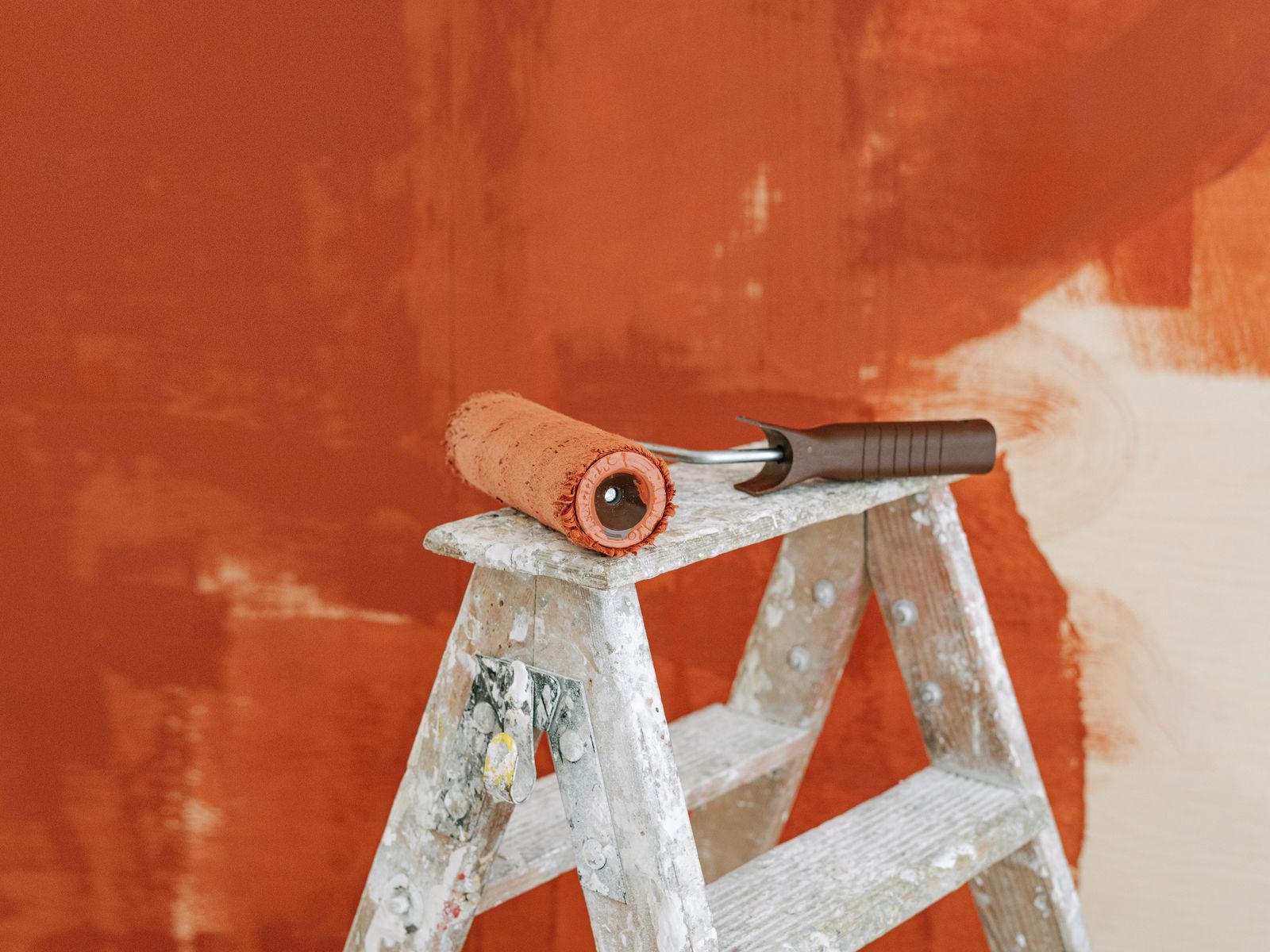
A paint job is judged on its edges. Anyone can roll a wall; the difference between a professional finish and a weekend one shows up where the wall meets the ceiling, around door casings, along baseboards, and in how flat the surface is once the light hits it from the side.
That is why the preparation takes longer than the painting. Filling, sanding, caulking gaps in the trim, spot-priming patches so they do not flash through the topcoat — none of it is visible in the finished room, and all of it is why the finished room looks right.
What we paint
Walls, in any room of the house
Ceilings, including flat and textured
Trim, casings and baseboards
Interior doors, both faces and edges
Crown moulding and built-ins
Whole-house repaints and single rooms
The preparation — where interior painting in Woodstock is won or lost
Furniture is moved to the centre of the room and covered. Floors are protected wall to wall — not just a drop sheet in the middle. Nail holes and dents get filled, sanded flush and spot-primed. Gaps between trim and wall get caulked, because a hairline crack there is the first thing that catches the eye in a freshly painted room. Where the existing surface is glossy, patchy or a very different colour, it gets primed.
Choosing colours and finishes
Sheen matters as much as colour. Flat and matte hide surface imperfections but mark easily, which makes them wrong for a hallway with kids in it. Eggshell and satin clean up better. Trim and doors are usually semi-gloss so they take knocks and wipe down. If you are unsure, we will talk it through against the actual light in the actual room — colour behaves differently on a north-facing wall than it does on a chip in your hand.
The paint we use
Sherwin-Williams, Benjamin Moore and Behr, bought from the trade counter rather than off a shelf. Which one depends on the room: a bathroom ceiling and a hallway with three children in it do not want the same product.
The difference in material cost between a mid-range line and a premium one is small next to the labour — usually a few hundred dollars across a whole house. That is why we do not economise there, and why we will say when the cheaper line is genuinely the right answer.
How it runs
- 01
Walkthrough and estimate
We measure, look at the surfaces, and give you a written number.
- 02
Colours and sheens
Settled before the first day, room by room.
- 03
Protect and prep
Furniture covered, floors protected, filling, sanding, caulking, priming.
- 04
Paint
Cut in by hand, rolled, and second-coated where the colour needs it.
- 05
Clean and check
Room put back, then we walk it with you.
Common questions
How long does it take to paint a house interior?
A single room is usually a day or two. A full interior repaint of an average Woodstock home runs closer to one to two weeks, depending on the number of rooms, whether ceilings and trim are included, and how much repair the surfaces need.
Do we need to move out?
No. We work room by room so the rest of the house stays usable. Bedrooms are usually done during the day and back in service by evening.
Do we need to move the furniture ourselves?
No. We move it to the centre and cover it. If you have anything genuinely fragile or valuable, we would rather you handle that piece yourself.
How many coats?
Two on most surfaces. A dramatic colour change, or covering a dark colour with a light one, can need more — we will tell you at the estimate rather than discovering it halfway through.
If you are working out what a room should cost or how long it will take, our guide to interior painting covers both, along with when one coat genuinely does the job. Finished work is on our Facebook page.
What customers said
4.8 ★★★★★ 5 reviews
-
★★★★☆
Good quality interior painting and the team was professional. There were a couple of small touch-ups needed at the end, but they came back and took care of them. Overall, very happy with the result.
Carlos Hernández
-
★★★★★
They did a beautiful job painting our home. Very satisfied.
Megan Wilson
-
★★★★★
Excellent interior painting work. The team was professional, careful with our furniture and floors, and the finished walls look amazing. Highly recommended.
Daniel Wilson
-
★★★★★
Really impressed with the quality of the work. They helped transform the interior of our home with a fresh coat of paint. Clean, professional, and dependable service.
Lauren Mitchell
-
★★★★★
Professional, reliable, and detail-oriented. The paint job looks beautiful and they left everything clean when the project was finished. Highly recommend their services in Woodstock.
Anderson J.
Related services



Questions homeowners ask