Pressure washing in Woodstock goes wrong in one direction far more often than the other: too much pressure, not too little.
Dirt comes off at surprisingly low pressure once it has been given a moment to soften. What does not come back is timber that has been furred up, mortar that has been washed out of a joint, or water that has been forced behind siding.
What each surface will take
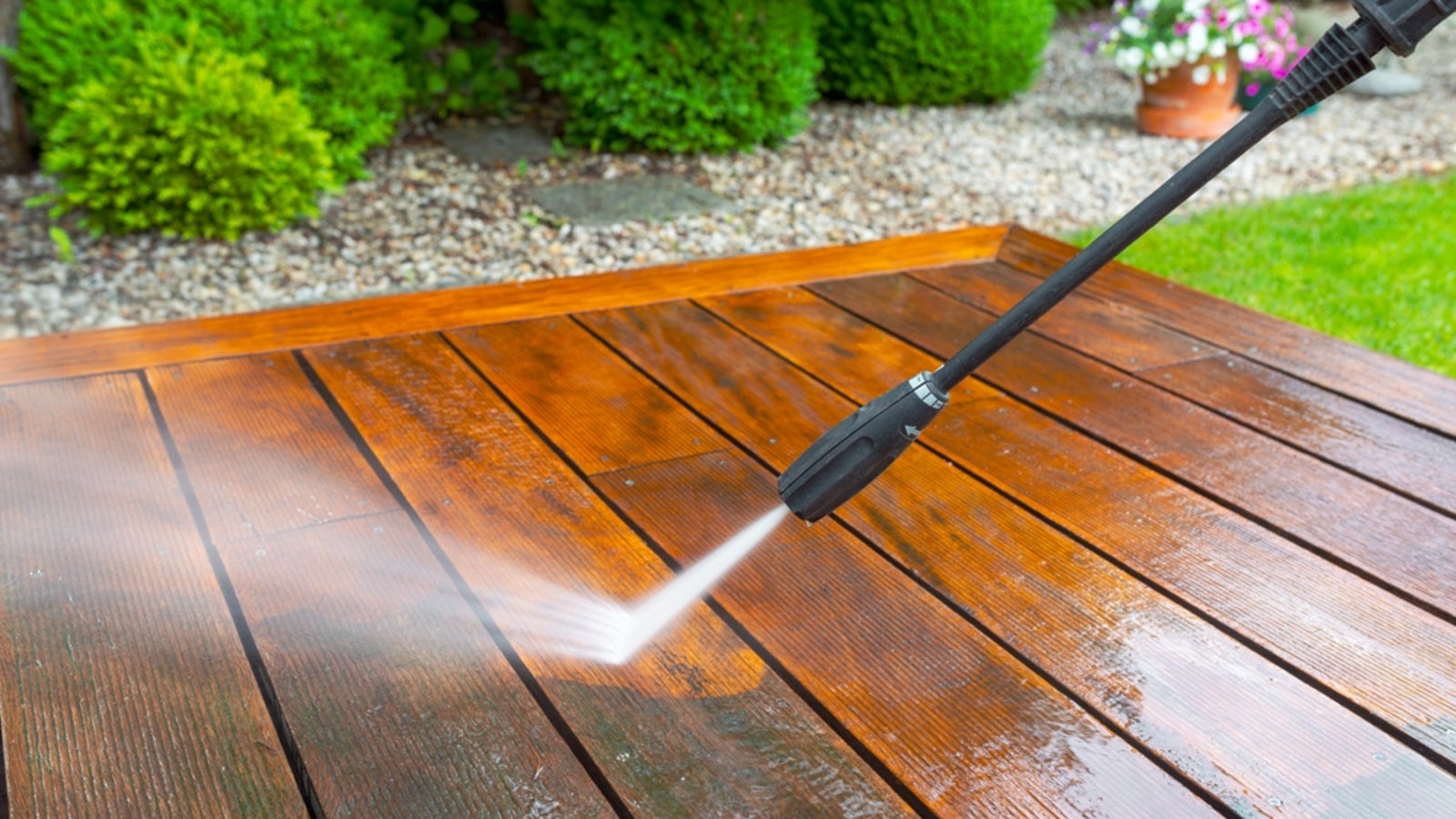
Soft timber — decking, fencing, older trim — takes the least. Held too close, a lance raises the grain and leaves a surface that greys faster afterwards than it did before, because the fibres are now standing up and holding water.
Brick and mortar look tough and are not. Old lime mortar washes out of joints under a narrow jet, and the damage only becomes obvious the following winter.
Vinyl and fibre cement siding are more forgiving, but the failure mode is different: water driven upward under the laps sits behind the boards for months.
The part that does the work
Distance and angle, not the number on the machine. A wide fan held back does more than a narrow jet held close, and it does it without leaving stripes across the boards.
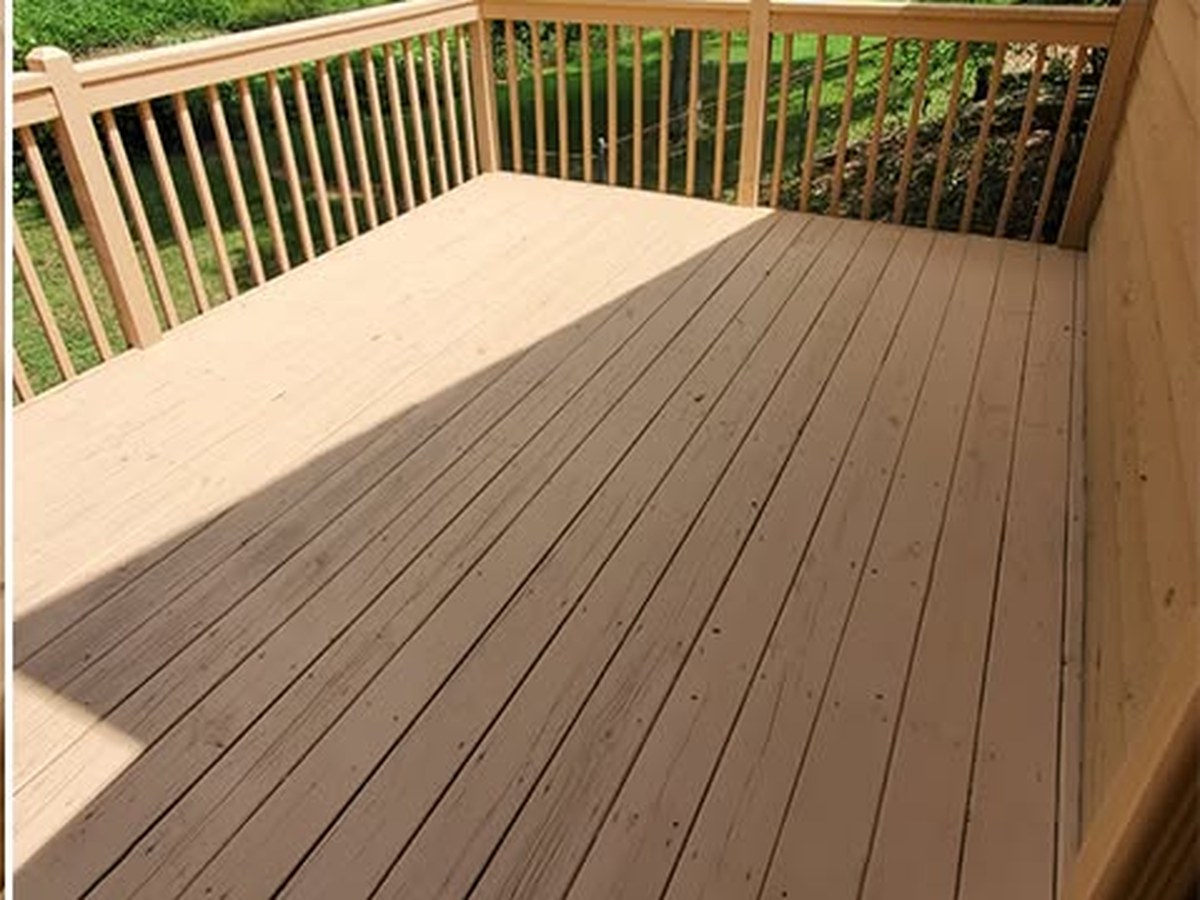
Letting a cleaning solution sit for a few minutes does more than pressure ever will. Most of what people attack with force would have lifted on its own.
Before painting, specifically
Washing is the first step of every exterior job we do, and it is the one that decides how long the coating lasts. Paint over anything chalky and it is bonded to dust rather than to the surface.
But a wall washed too hard has to dry properly before anything goes on it, and in a Georgia summer that is a day rather than an hour. Pressure washing covers what we take on, and exterior painting is where it usually leads. Finished work is on our Facebook page.