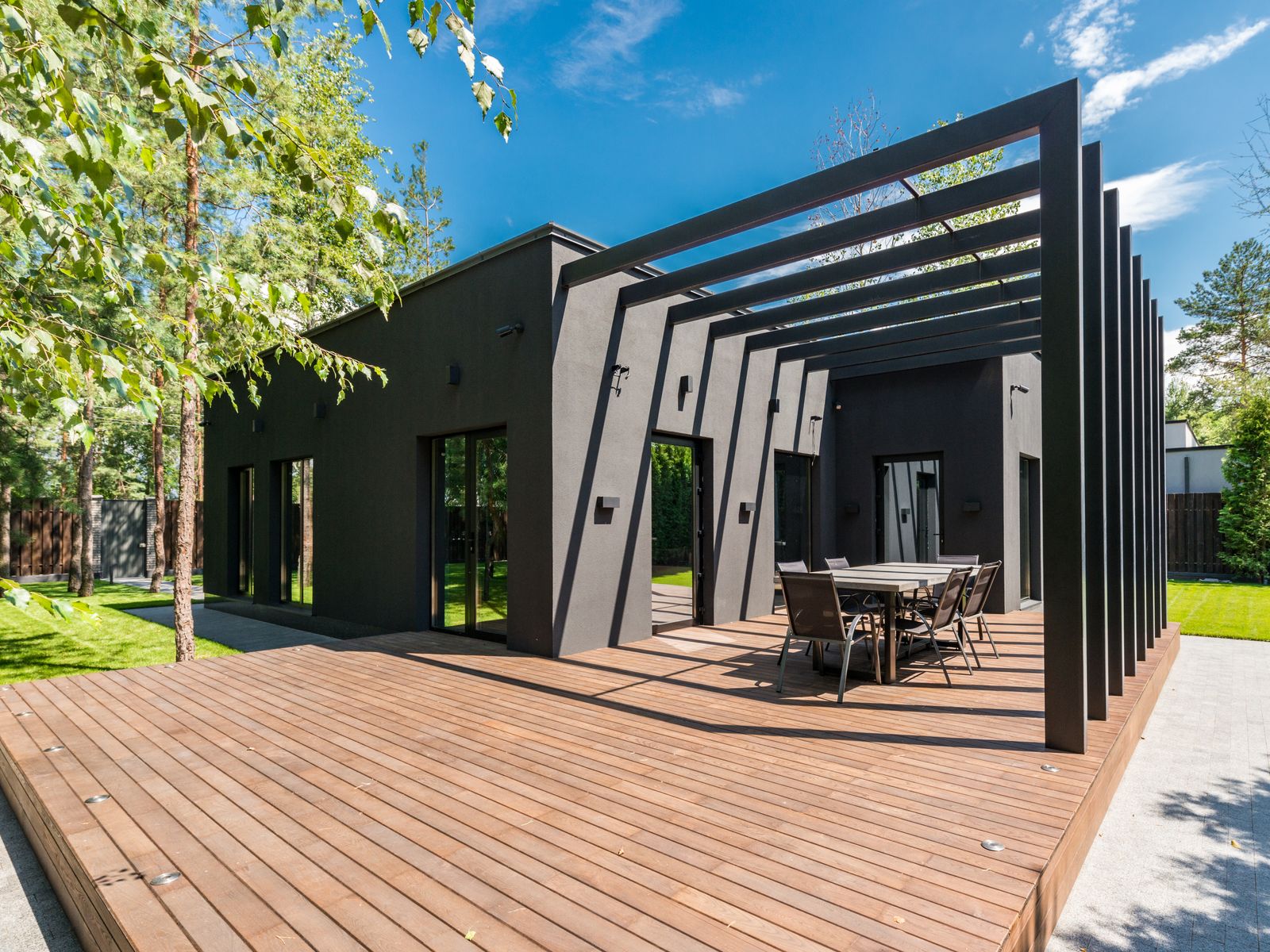
Composite decking — Trex, TimberTech and the rest — costs roughly twice what pressure-treated timber does, and asks for nothing afterwards. That is the whole trade.
What composite actually saves you
No staining, no sealing, no sanding. On a deck that would otherwise want re-staining every two or three years, the labour you skip pays back the difference somewhere between year eight and year twelve.
If you are likely to move before then, timber is the cheaper answer.

What it does not fix
The frame. Composite boards go onto the same joists, ledger and posts as timber ones, and those are what fail. A composite surface over a tired frame is an expensive way to hide a problem.
It also gets hot. Dark composite in full Georgia sun is genuinely uncomfortable barefoot in July — lighter colours matter more here than in cooler states.
Where timber still wins
Cost, obviously. But also repairs: a damaged timber board is a ten-dollar fix, while a discontinued composite line can mean matching a colour that no longer exists.

What we do
We build both, and we will tell you which makes sense for how long you plan to stay. Deck construction covers the work. Finished decks are on our Facebook page.