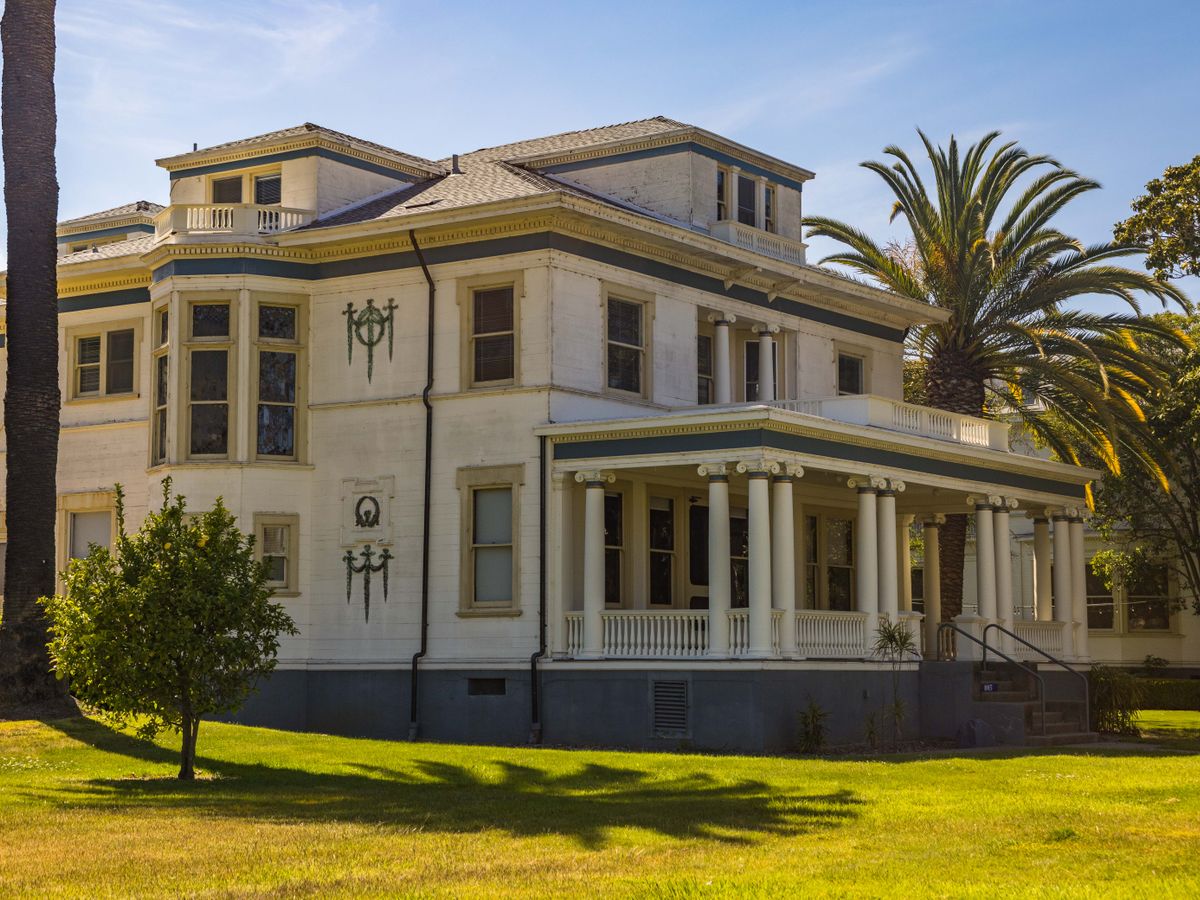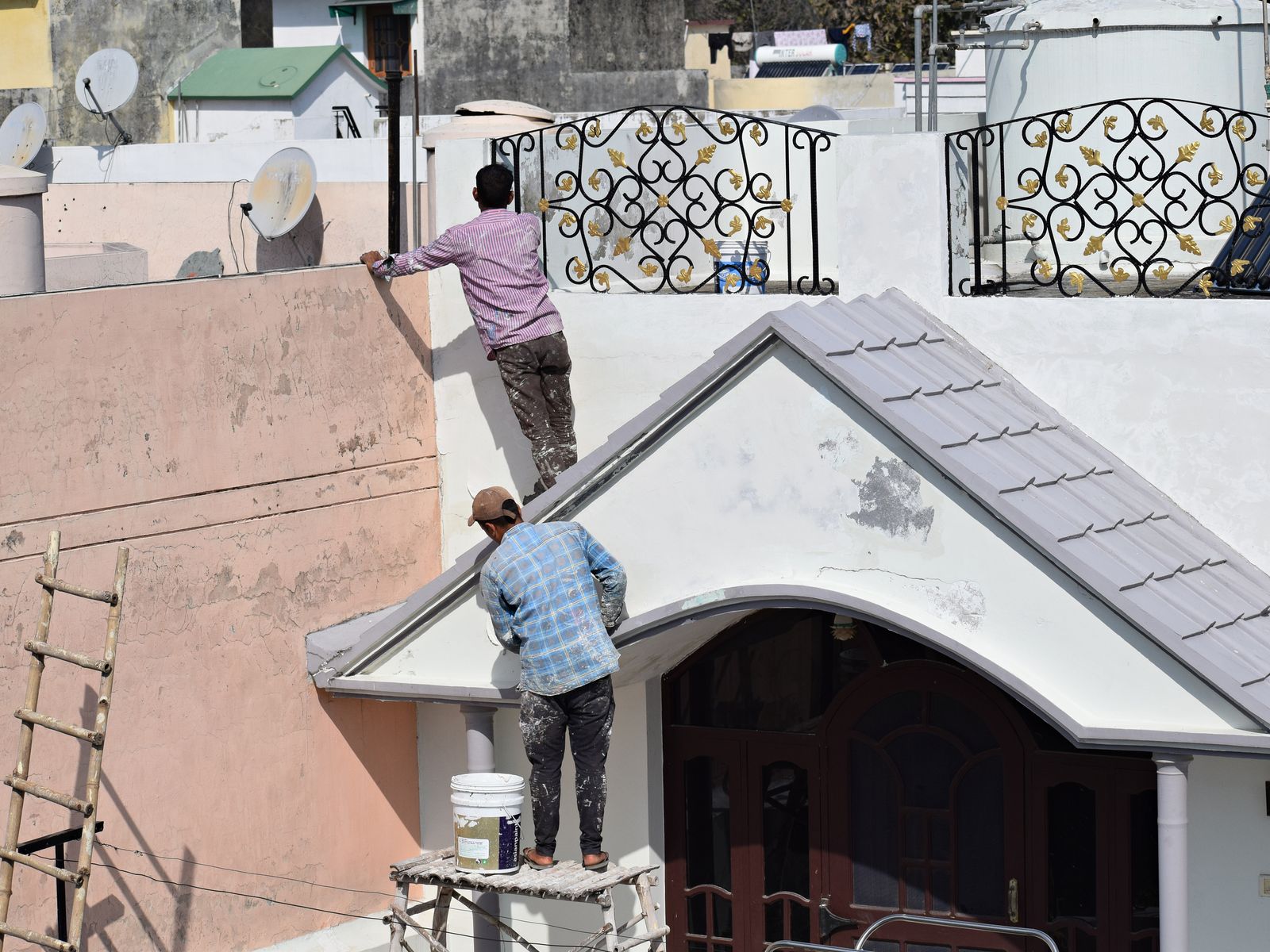
Exterior painting in Canton, GA means two very different houses in one town — and the preparation is where they part company.
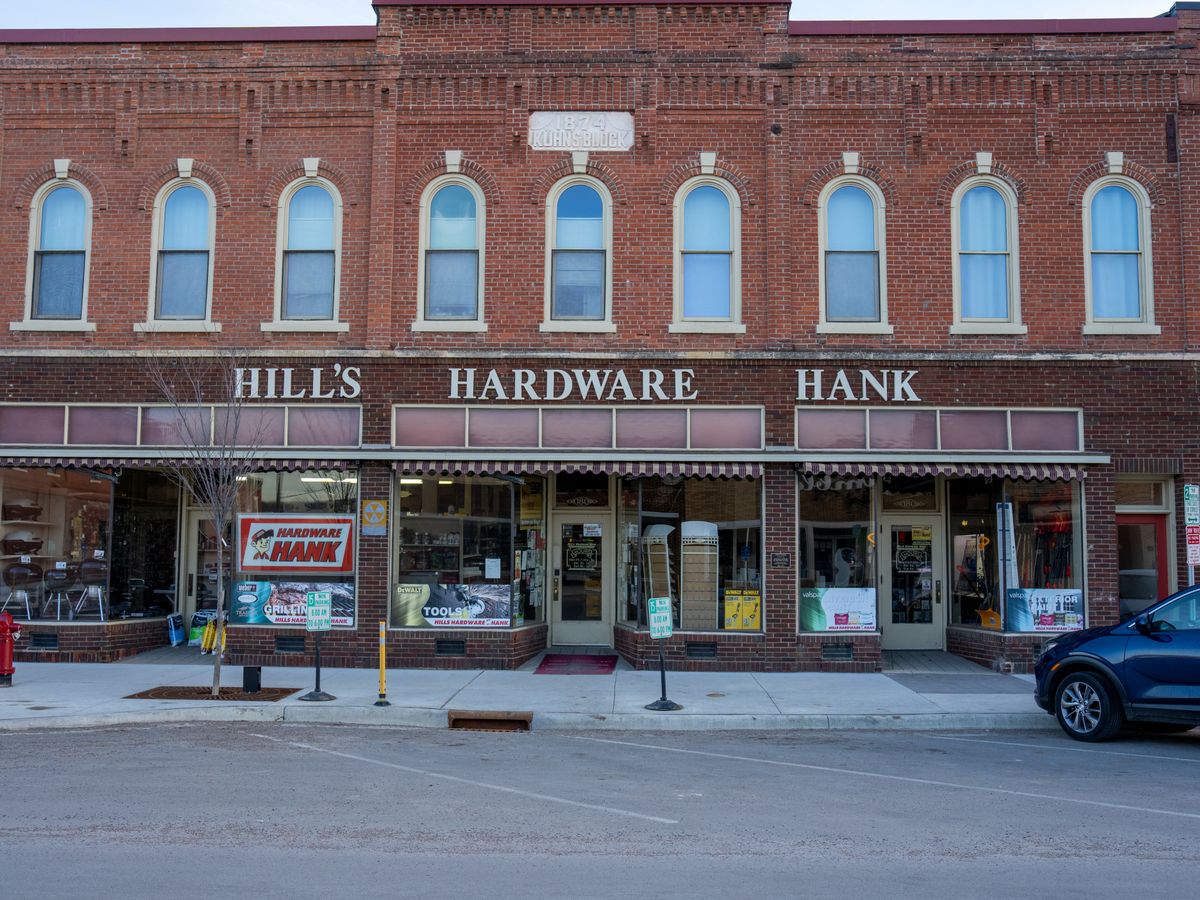
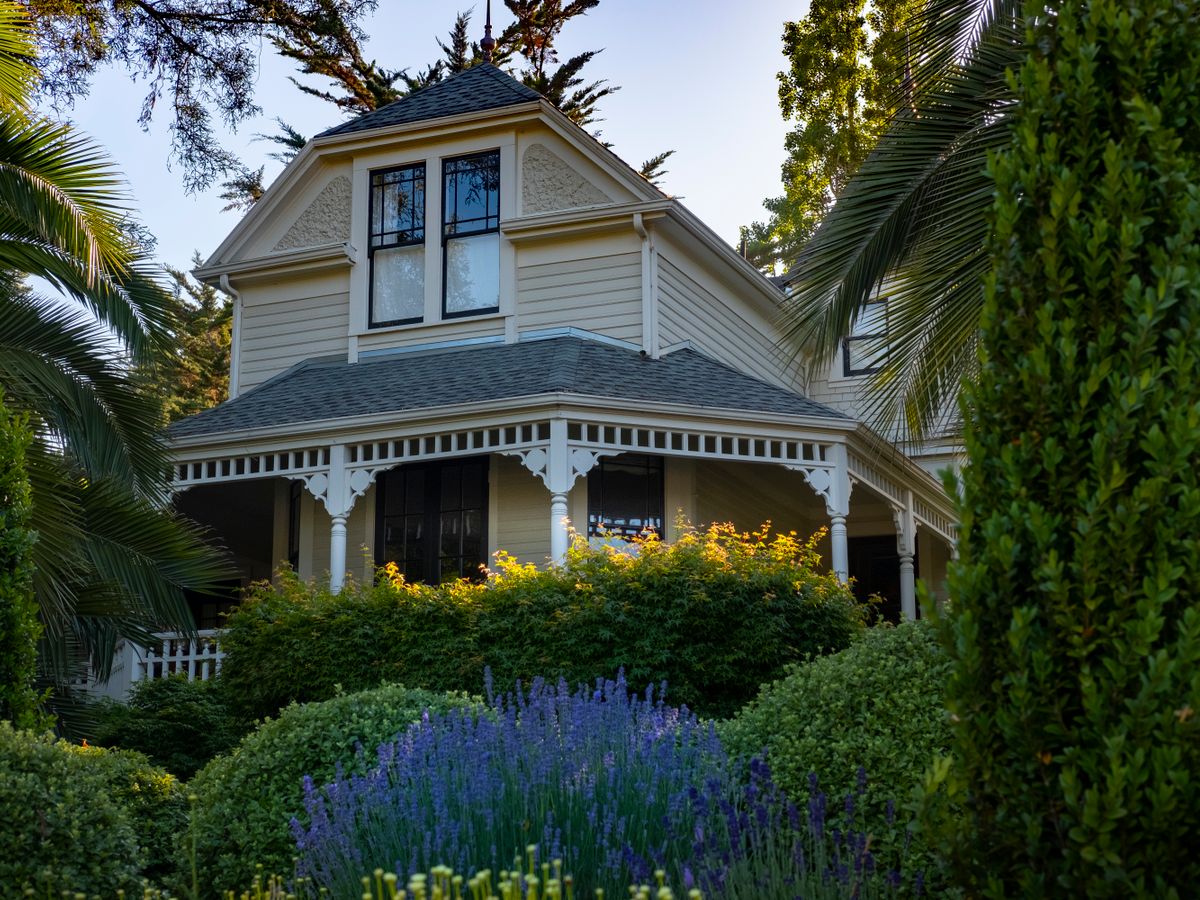
Timber siding and trim in the older streets of Canton has been painted many times. Those layers are the job. Some are oil, some are latex, and where they meet the bond can already be failing under a surface that still looks intact. Scraping finds it; painting over it postpones it by a season.
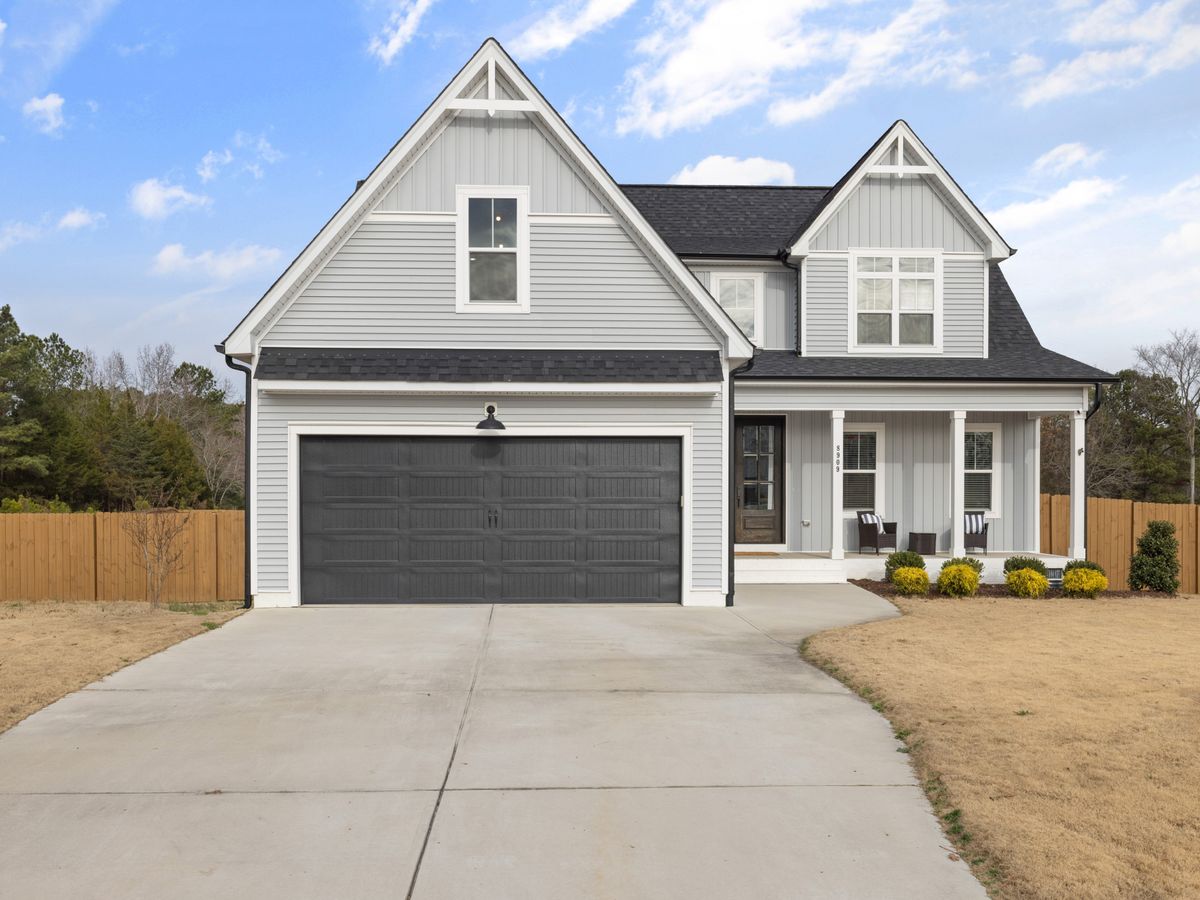
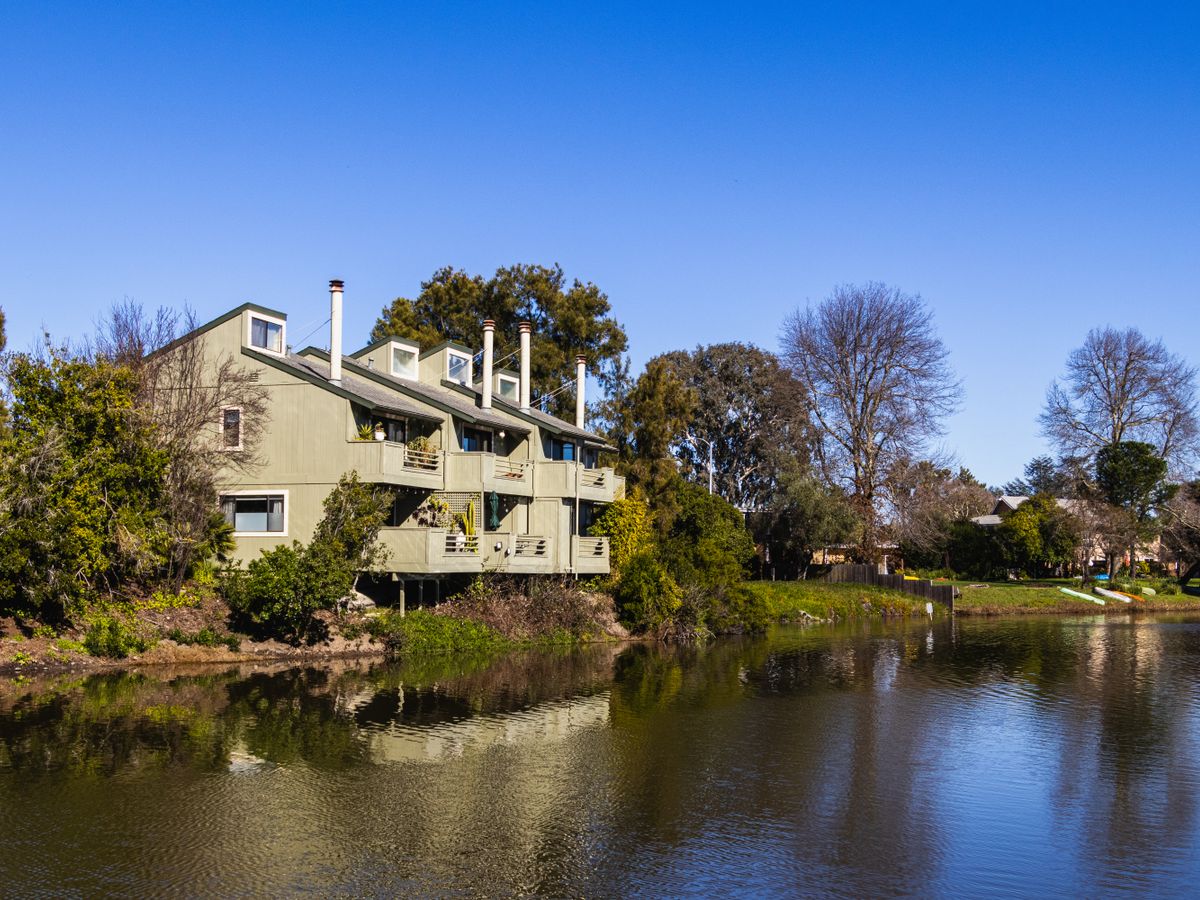
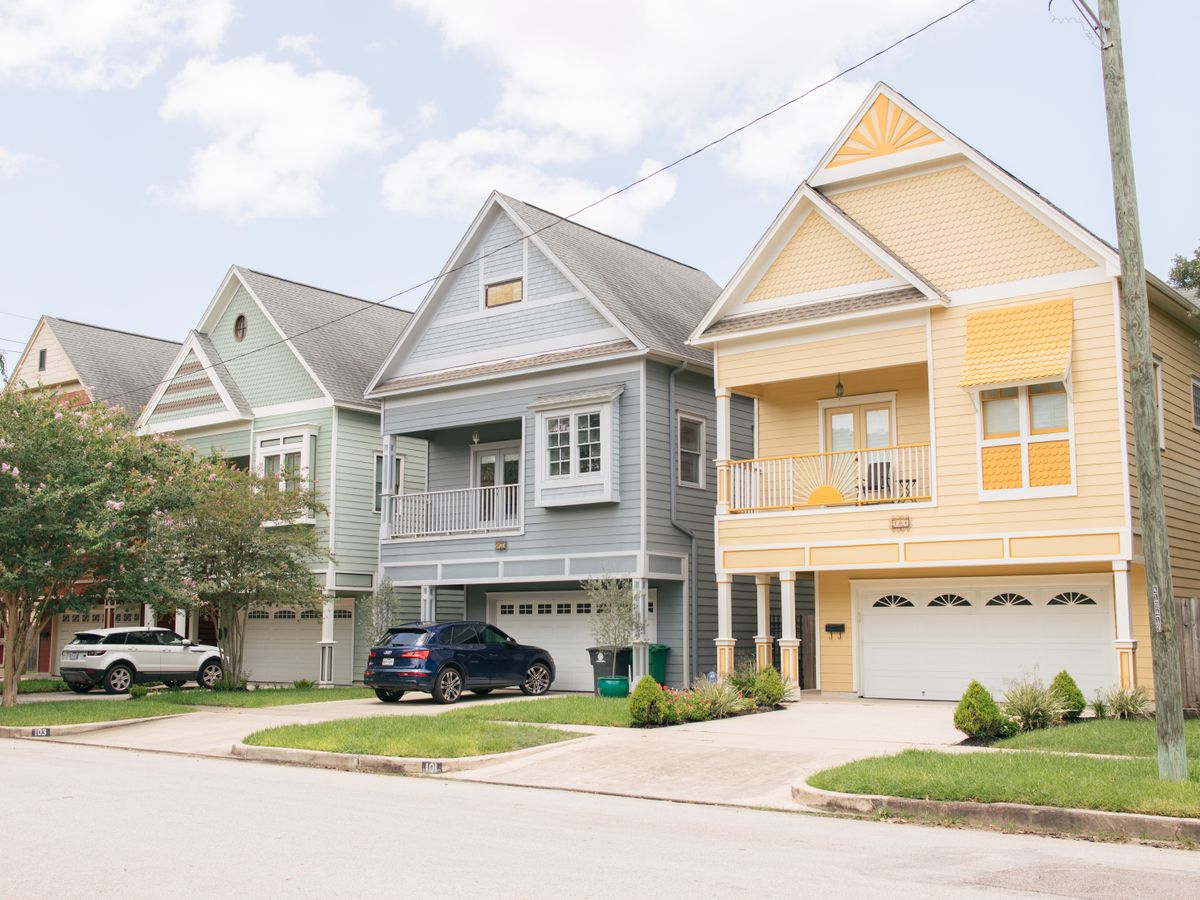
On the newer edges of town the substrate is usually fiber cement or composite, which is stable and holds a coating well — the failures there tend to be at caulk joints and at the bottom edges of trim where water sits, rather than across the face of the siding.
Exterior painting in Canton: where to look on an older house
End grain at the bottom of trim and corner boards
Caulk lines around windows and doors
South and west elevations before anything else
Soffits and fascia, usually the last thing anyone checks
Any timber sitting close to soil level
Common questions
Is old siding worth repainting?
Usually yes. Old-growth timber siding is better material than most of what replaces it. The cost is in the preparation, not in the paint.
What about lead paint on a pre-1978 house?
Homes built before 1978 can have lead-based paint under later coats. That changes how the surface should be handled, and it is worth establishing before work is scheduled rather than during.
Two eras, two jobs
On a house built after 2000 the siding is usually fibre cement or vinyl and still sound, so the work is washing, caulking the joints that have opened, and coating. Failure there tends to be cosmetic — chalking on the south wall, a colour that has gone flat.
Around the older streets it is timber, and timber tells you where the water has been. Trim ends, the bottom of corner boards, and the run under a gutter that has been overflowing — those come apart before the paint does. Coating over them buys a season.
Where a gutter is the cause, clearing it comes first, or the same board fails again. Finished work is on our Facebook page.
Other services in Canton
Questions homeowners ask