Home remodeling in Canton, GA is two markets wearing one name — and the first thing we do at an estimate is work out which one you are in.
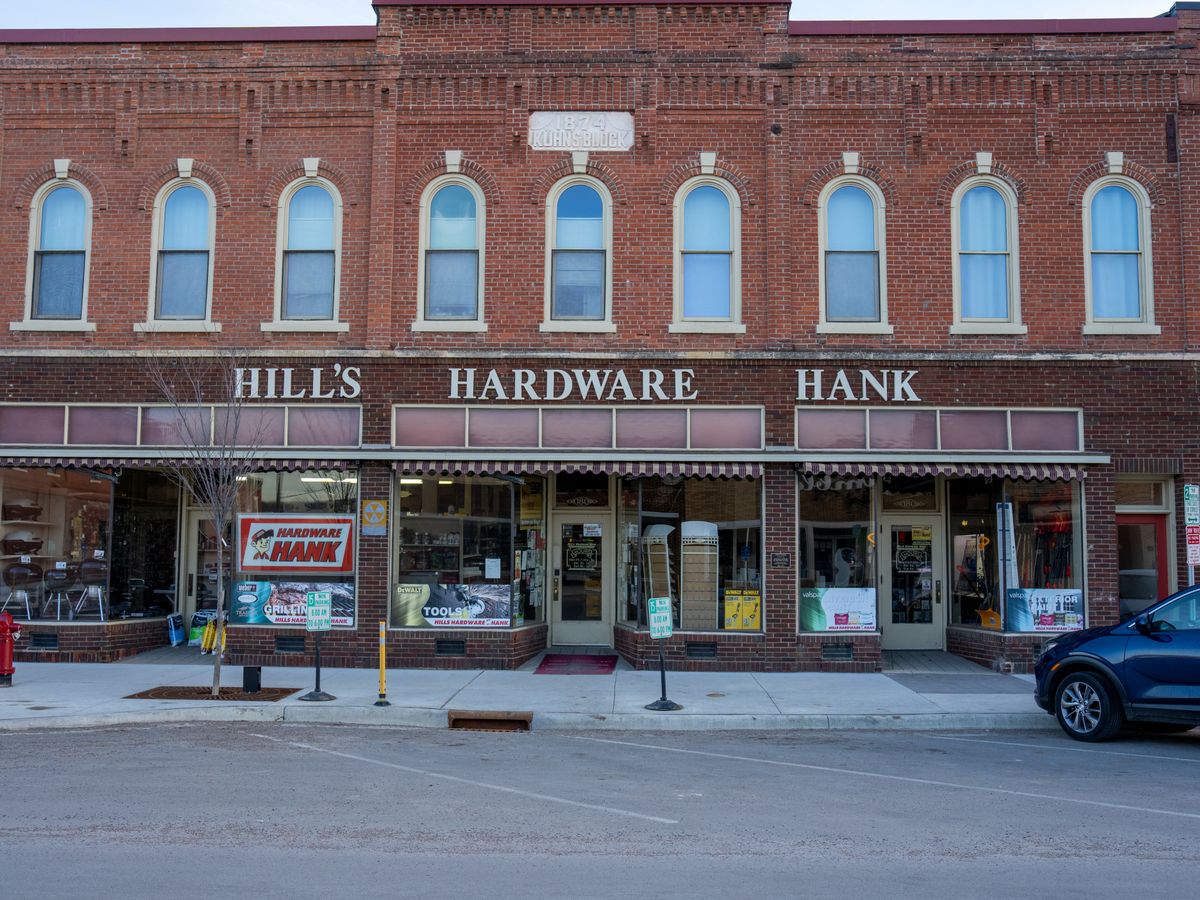
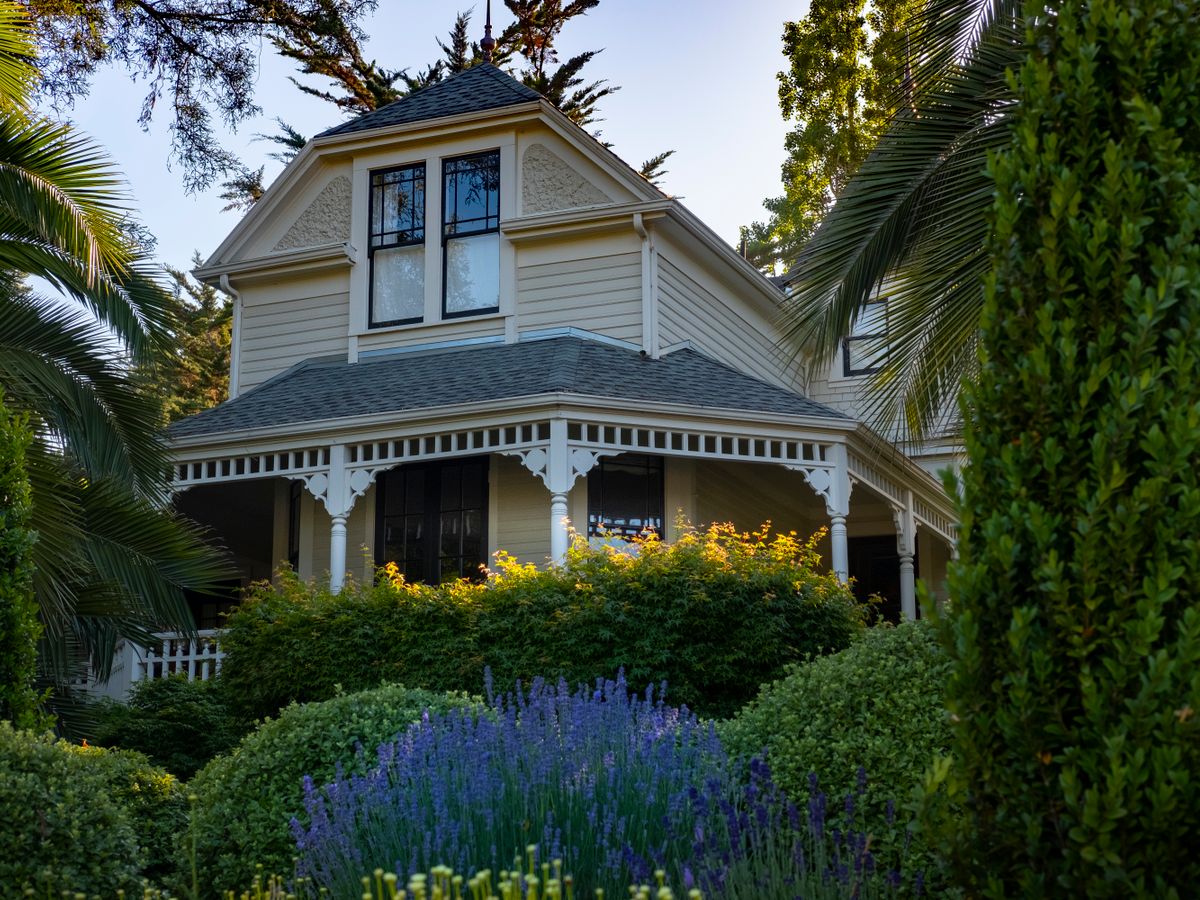
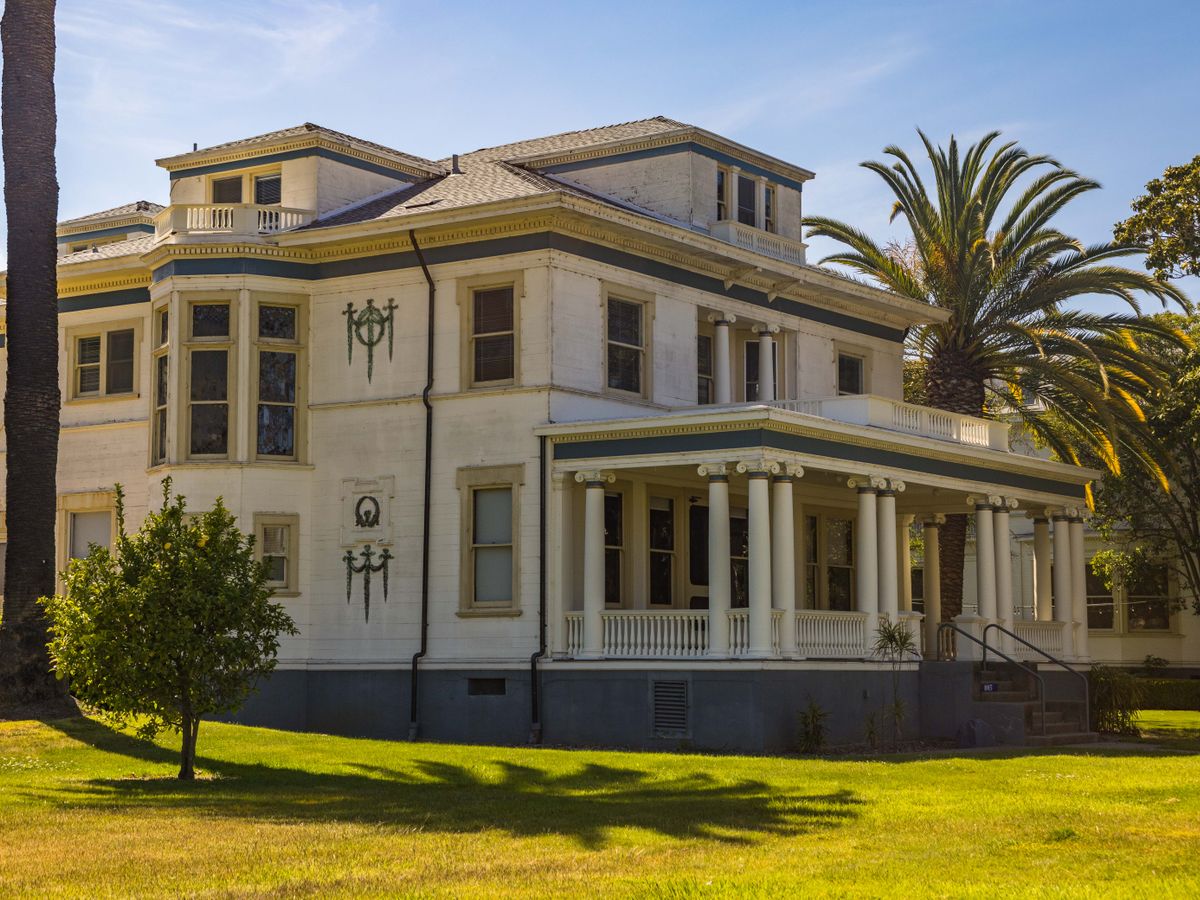
The centre of town is genuinely old. The Canton Historic District and the Canton Commercial Historic District are both on the National Register, the Canton Cotton Mills have been converted to lofts, and the streets running off Main Street towards the Etowah River carry houses built to a completely different standard from anything going up today.
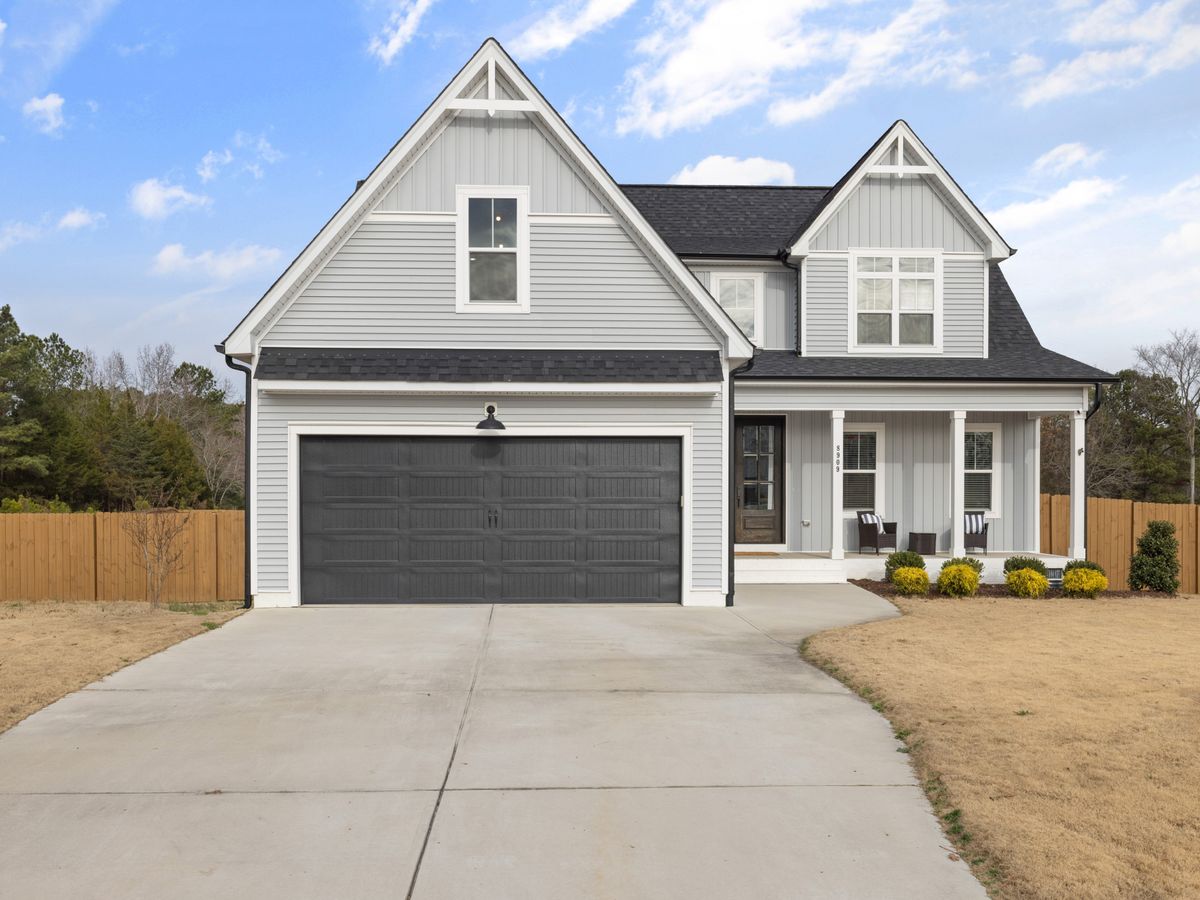
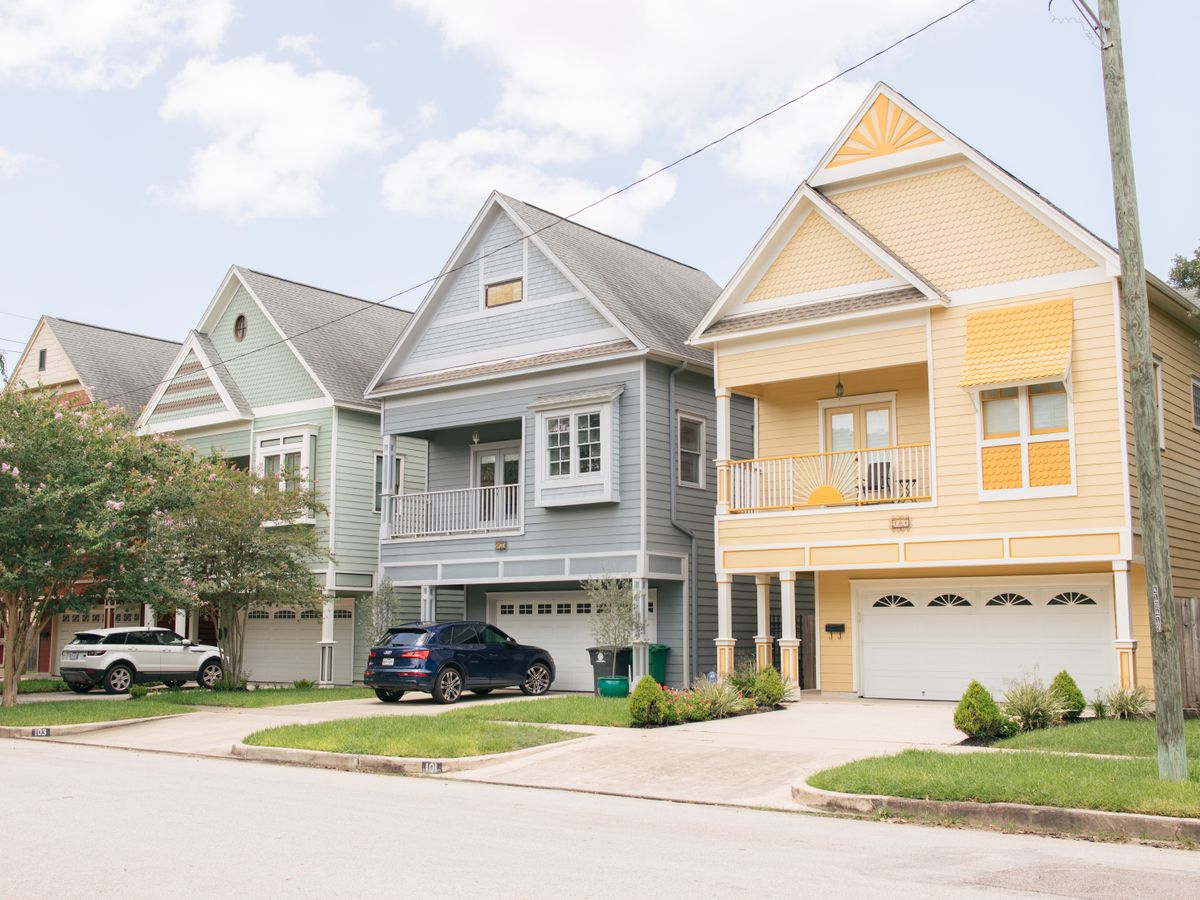
Renovating in that part of Canton is a matching exercise. Walls may be plaster. Trim was milled to profiles that nobody stocks, so a damaged length gets repaired rather than swapped out. Surfaces have settled over decades, which means filling and sanding take a larger share of the schedule than the visible work does. Out past the older neighbourhoods, Canton looks much more like Woodstock — post-2000 construction now reaching the age where builder-grade finishes have run out of life.
What home remodeling in Canton involves, either side of 2000
Historic core: repair original trim, do not replace it
Historic core: plaster needs different filling and priming
Historic core: expect a longer prep phase
Newer subdivisions: standard repaint and refinish work
Newer subdivisions: cabinets and decks at the twenty-year mark
Either way: the estimate tells you which you have
Where the money goes
Moving plumbing or load-bearing walls is what makes a remodel expensive, not the finishes. A kitchen that keeps its layout and changes everything visible is a fraction of one that moves the sink three feet, because the second one drags in trades the first never needs.
On newer Canton houses the layout is usually already sensible, and the room simply looks its age. That is the cheaper job, and it is most of what we are asked for here.
On the older streets the constraint is what is behind the plaster, and we would rather find that at the estimate than halfway through. Where a room only needs painting and trim work, we will say so. Finished work is on our Facebook page.
Other services in Canton
Questions homeowners ask